
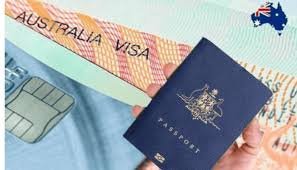
Australia Skilled Worker Visa continues to welcome skilled workers due to ongoing shortages across healthcare, engineering, construction, mining, agriculture, IT, and education. Employers in both cities and regional areas depend heavily on international workers to meet workforce needs. If you’re planning to relocate for work, the Skilled Work Visa pathway offers structure, clear eligibility rules, and a real opportunity to build a long-term future in the country.
This guide walks you through the visa options, job categories in demand, documents you’ll need, and how to apply through a sponsored employer.
Which Visa Options Are Best for Foreign Workers
Australia offers multiple routes, but these three are the most common:
1. Temporary Skill Shortage Visa (Subclass 482)
Employer-sponsored. You can work for 2–4 years depending on your occupation. Many use this as the first step before moving to a permanent visa.
2. Skilled Independent Visa (Subclass 189)
Points-based. No sponsor needed. You apply based on your skills, age, experience, and English level.
3. Skilled Nominated Visa (Subclass 190)
State-sponsored. You receive nomination from a state government that needs your profession.
Each pathway has its advantages depending on your experience and goals. Sponsored roles (Subclass 482) are the fastest way to enter Australia because the employer drives most of the process.
Industries With High Demand in Australia
Healthcare
• Registered nurses
• Aged care workers
• Disability support workers
• Midwives
• Physiotherapists
• Radiographers
• Occupational therapists
Healthcare continues to dominate the skills shortage list across all Australian states.
Engineering
• Mechanical engineers
• Electrical engineers
• Civil engineers
• Mining engineers
• Structural engineers
Infrastructure projects and mining expansion have kept demand high.
IT and Digital
• Software developers
• Cybersecurity analysts
• Network administrators
• Cloud engineers
• Data analysts
Tech roles are considered high-value occupations and often fast-tracked.
Construction & Trades
• Carpenters
• Electricians
• Welders
• Plumbers
• Bricklayers
• HVAC technicians
Regional Australia especially depends on these roles.
Agriculture & Farming
• Farm supervisors
• Fruit pickers
• Livestock workers
• Tractor operators
• Dairy farm workers
Agriculture relies on overseas talent during peak seasons.
Typical Salary Expectations
Australia offers competitive wages for skilled workers:
• Nurses: AUD 75,000 – AUD 95,000
• Engineers: AUD 85,000 – AUD 130,000
• IT specialists: AUD 80,000 – AUD 140,000
• Construction trades: AUD 60,000 – AUD 90,000
• Agriculture/farming: AUD 55,000 – AUD 75,000
Many jobs include relocation assistance, paid training, and pathway to permanent residency.
Minimum Eligibility Requirements
To qualify for most skilled visas, you need:
• Relevant work experience
• Skills assessment from an authorized body (depending on the visa)
• English language test (IELTS, PTE, etc.)
• A job offer if applying for Subclass 482
• Medical examination and background checks
• Passport and identity records
Age limits apply for some visas, typically under 45 years.
Step-by-Step Application Process for Sponsored Jobs
Step 1: Find an approved Australian sponsor
Employers must be accredited by the Australian government to hire foreign workers.
Step 2: Receive the nomination
Your employer submits a nomination request for your occupation.
Step 3: Prepare your documents
This includes skills assessments, medicals, English results, certificates, and police clearance.
Step 4: Apply for the visa
Submit the application online through the Department of Home Affairs system.
Step 5: Attend medicals
Required for all long-stay applicants.
Step 6: Receive decision and travel to Australia
Once granted, you can begin work immediately.
Processing times vary from a few weeks to several months depending on the occupation.
Documents Employers Usually Ask For
• Passport
• Resume/CV
• Academic certificates
• Employment reference letters
• Skills assessment results
• English language test
• Police clearance
• Medical reports
Healthcare workers often require additional registrations depending on the state.
Helpful External Sources
Search these on the web (official government pages):
• Australia Skilled Occupation List
• Department of Home Affairs – Skilled Migration
• VETASSESS Skills Assessment
• ANMAC (for nurses)
Leave a Comment